
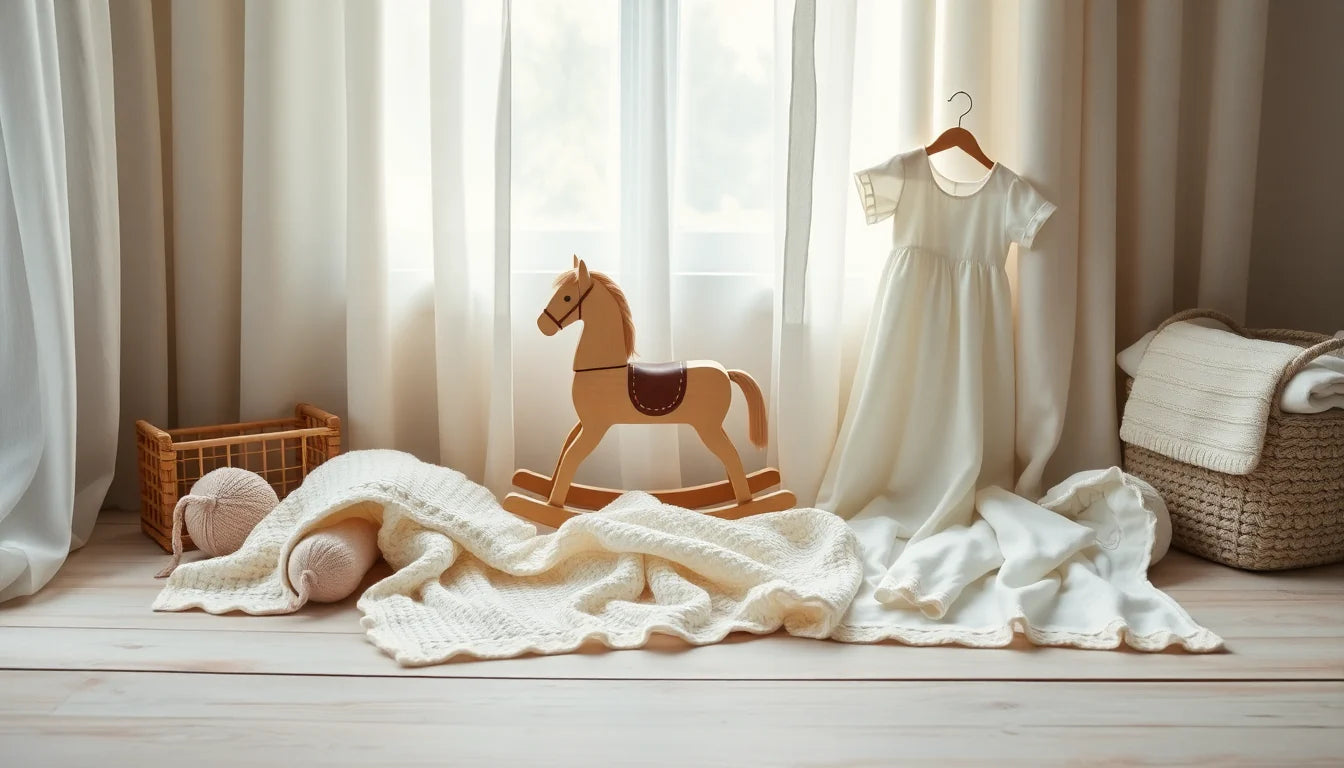
Baby Fashion Guide: How to Dress Your Little One for Comfort & Style
I. Introduction
Dressing your baby is about more than choosing cute outfits—it’s about ensuring comfort, safety, and healthy development. With babies’ sensitive skin and evolving temperature-regulation abilities, selecting the right clothing is essential.
At TenderBeans (https://tenderbeans.com/), we design baby essentials with a “comfort-first, style-always” mindset. This guide will help parents choose the best fabrics, fits, and seasonal pieces so their little ones feel great while looking adorable.
II. Choosing the Right Fabrics
1. Natural vs. Synthetic Materials
Natural materials like cotton, bamboo, and modal offer breathability and softness—ideal for delicate baby skin. Synthetic fabrics can last longer but may not release heat as well, making them less suitable for extended wear.
2. Breathability & Softness
Because babies have sensitive skin, breathability and gentle textures are key. Soft, non-irritating fabrics help prevent discomfort, especially during sleep when body temperature naturally rises.
3. Seasonal Fabric Considerations
-
Summer: Lightweight cotton, bamboo, muslin
-
Winter: Fleece-lined cotton, wool blends, thicker interlock knits
-
Spring/Fall: Mid-weight cotton, soft knit layers, breathable long sleeves
III. Essential Baby Clothing Pieces
1. Onesies & Bodysuits
The foundation of every baby wardrobe. Choose snap designs that simplify diaper changes and stretchy fabrics that support movement.
2. Comfortable Sleepwear
Since babies sleep for long stretches, prioritize ultra-soft fabrics, flat seams, and breathable designs.
3. Everyday Outfits
For daytime play, go for flexible, lightweight pieces that allow free movement. TenderBeans creates everyday wear that combines function with modern aesthetics.
4. Layering Techniques
Layering allows you to adjust to indoor and outdoor temperature changes easily. A breathable base layer + light outerwear works year-round.
IV. Comfort vs. Style Balance
1. Practical Dressing Tips
-
Choose soft, natural fabrics for layers touching the skin.
-
Opt for easy-open snaps and zippers for quick changes.
-
Avoid tight waistbands or stiff embellishments.
2. Cute Yet Functional Outfit Ideas
-
Ultra-soft leggings + oversized top
-
Cotton dress + cozy cardigan
-
Stretchy romper + warm socks
3. Avoiding Restrictive Clothing
Clothes that are too tight around shoulders, waist, or sleeves can limit movement. Always ensure stretch and flexibility.
V. Size and Fit Matters
1. Understanding Baby Sizing
Sizing varies by brand, so always check measurements and consider your baby’s height and weight.
2. Growth Considerations
Babies grow quickly—selecting one size up can provide longer wear without sacrificing comfort.
3. Flexible Clothing
Stretchy materials and adjustable features allow babies to move comfortably and grow naturally.
VI. Accessorizing Baby Outfits
1. Hats, Socks, and Mittens
These accessories help with temperature regulation and protection, especially in colder seasons.
2. When & How to Add Accessories
-
Sun hats for outdoor protection
-
Anti-slip socks for early walking stages
-
Warm hats and mittens for winter outings
3. Safety Considerations
Avoid accessories with small detachable parts. Always check for secure stitching and snug but comfortable fits.
VII. Seasonal Dressing Guide
1. Summer Lightweight Options
Sleeveless bodysuits, breathable shorts, and bamboo tops keep babies cool and fresh.
2. Winter Warmth Strategies
Layered thermal sets, soft knit sweaters, and insulated outerwear help lock in warmth.
3. Transitional Clothing Tips
During spring and fall, lightweight cardigans, long-sleeve bodysuits, and thin leggings offer flexibility for unpredictable temperatures.
VIII. Conclusion
Balancing comfort and style is the heart of baby fashion. With the right fabrics, fit, and thoughtful layering, your little one can enjoy every moment—cozy and cute.
Explore more high-quality baby essentials at https://tenderbeans.com/.